Herb Workshop at the Rosenhof: Discovering Herbs with Children
It smells so wonderful here
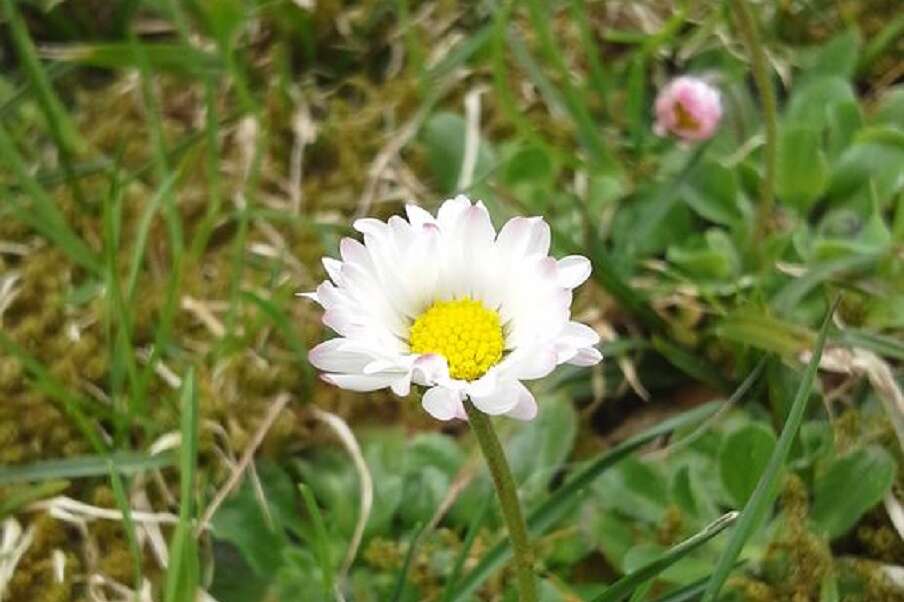
The Kleinwalsertal has a lot to offer. If you look closely, you’ll find wonderfully fragrant herbs in the lush green meadows. In our daily lives, we often overlook this healthy greenery or even dismiss it as weeds. Not here at the Rosenhof!
These are exactly the herbs you’ll want to discover with your kids in the Kleinwalsertal. A wild herb workshop is the perfect way to do it. Want a little preview? We’ve put together some interesting facts about herbs from the Kleinwalsertal.
In the Kleinwalsertal, you’ll find a real treasure trove of herbs practically around every corner. However, not everyone can recognize their value. At the Rosenhof, our “herb witch” Nadine is the best at identifying which types of herbs are growing right in front of you. Among other things, the children can discover the following herbs.
When brewed as a tea with hollyhock, mallow, evening primrose, and ribwort plantain, wild thyme can even relieve a persistent cough.
So there are quite a few herbs for the kids to discover at the Rosenhof. Here, our “herb witch” Nadine will be your guide. She’s simply the expert. Not only can she tell you all about the herbs’ healing properties, but she also knows delicious recipes that are a breeze to make. In our herb workshop, we’ll use the fresh, wonderfully fragrant herbs to whip up some truly delightful treats.
No herb butter tastes as good as the kind you make yourself. Which herbs do you need? That depends on what you find. Sometimes you’ll add deliciously fragrant daisies, red clover, knotweed, and stinging nettles to the pot; other times, a handful of wild chives. That’s why the butter always tastes unique.
Have we piqued your interest? Then sign up now for our next herb workshop and book your vacation rental at the Rosenhof in Kleinwalsertal.


